
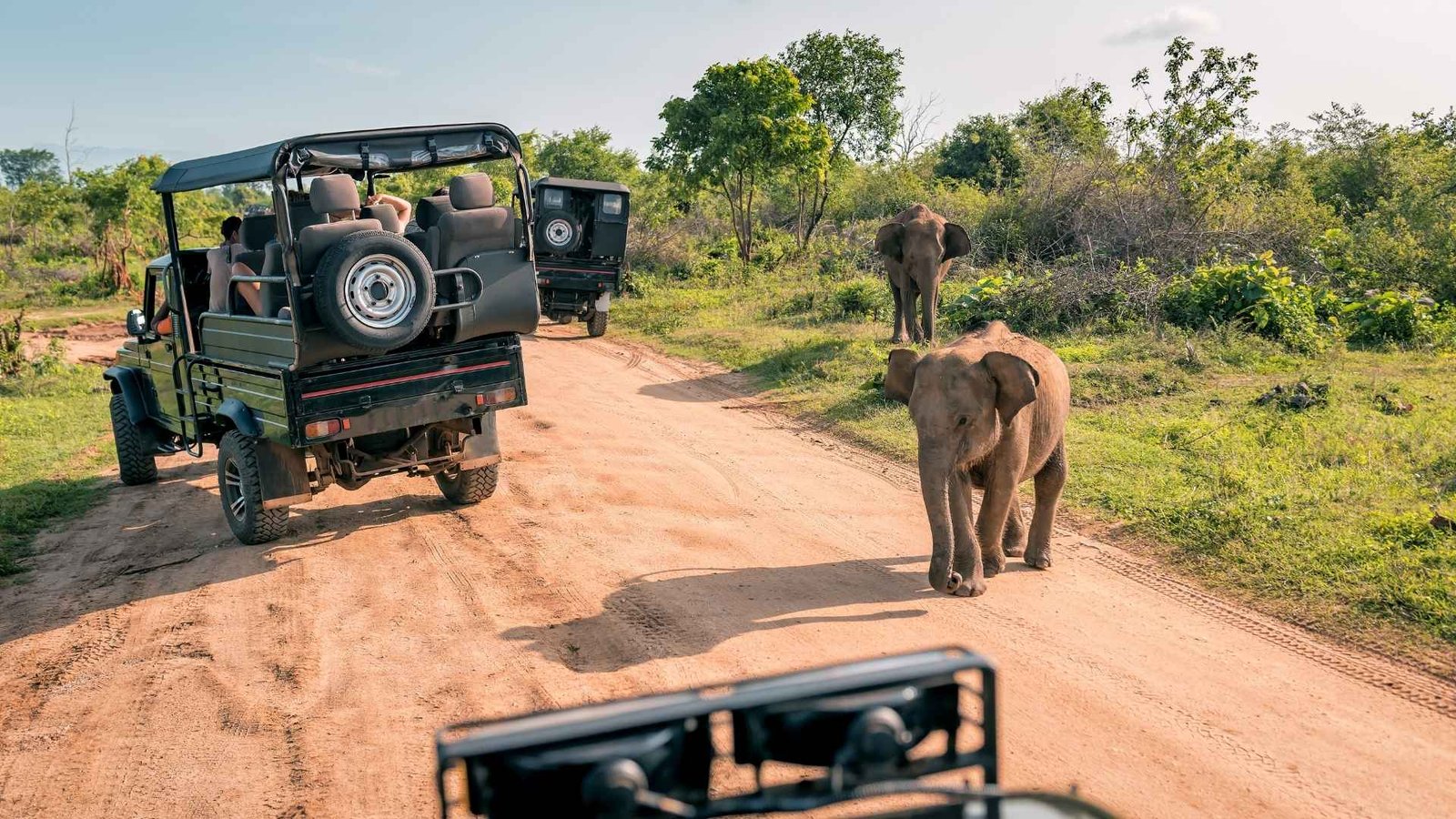
Picking the best Sri Lanka safari depends far more on the kind of landscape, pace, and wildlife focus you want than on a single “winner.” Despite Sri Lanka’s modest size, its national parks differ sharply in vegetation, visibility, seasonal rainfall, and jeep traffic.
Because all three reserves protect wild, free-roaming animals across dense scrub, forest, or grassland, no wildlife sighting—especially of leopards or sloth bears—is ever guaranteed. Choosing the right park for your travel month, however, dramatically improves both your odds and your enjoyment in the field. Here is how Yala, Wilpattu, and Udawalawe compare.
Yala, Wilpattu & Udawalawe Side by Side
| National Park | Key Wildlife Focus | Terrain & Visibility | Jeep Traffic | Best Seasonal Window |
|---|---|---|---|---|
| Yala Southeast Coast (Blocks 1 & 5) | Sri Lankan leopards, sloth bears (May–July palu season), mugger crocodiles, elephants, coastal birds. | Thorny coastal scrub, brackish lagoons, and granite boulder outcrops. | Busy on main Block 1 tracks; much quieter in Block 5. | February to July (Note: Block 1 typically closes for several weeks around Sept–Oct during peak drought). |
| Wilpattu Northwest Dry Zone | Leopards, sloth bears, sambar and spotted deer, owls, eagles, and forest birdlife. | Tall dry-zone forest punctuated by natural sand-rimmed rainwater basins (villus). | Low—wide park network spreads vehicles out. | February to October (driest visibility May–September). |
| Udawalawe Southern Foothills | High-visibility wild Asian elephant families, water buffalo, jackals, serpent eagles, peacocks. | Open tall grass, scrub, and exposed reservoir shorelines around Udawalawe Tank. | Moderate—open sightlines prevent tight bottlenecks. | Good year-round; driest grass and shoreline grazing June–September and January–March. |
1. Yala National Park: Granite Outcrops & High Leopard Density
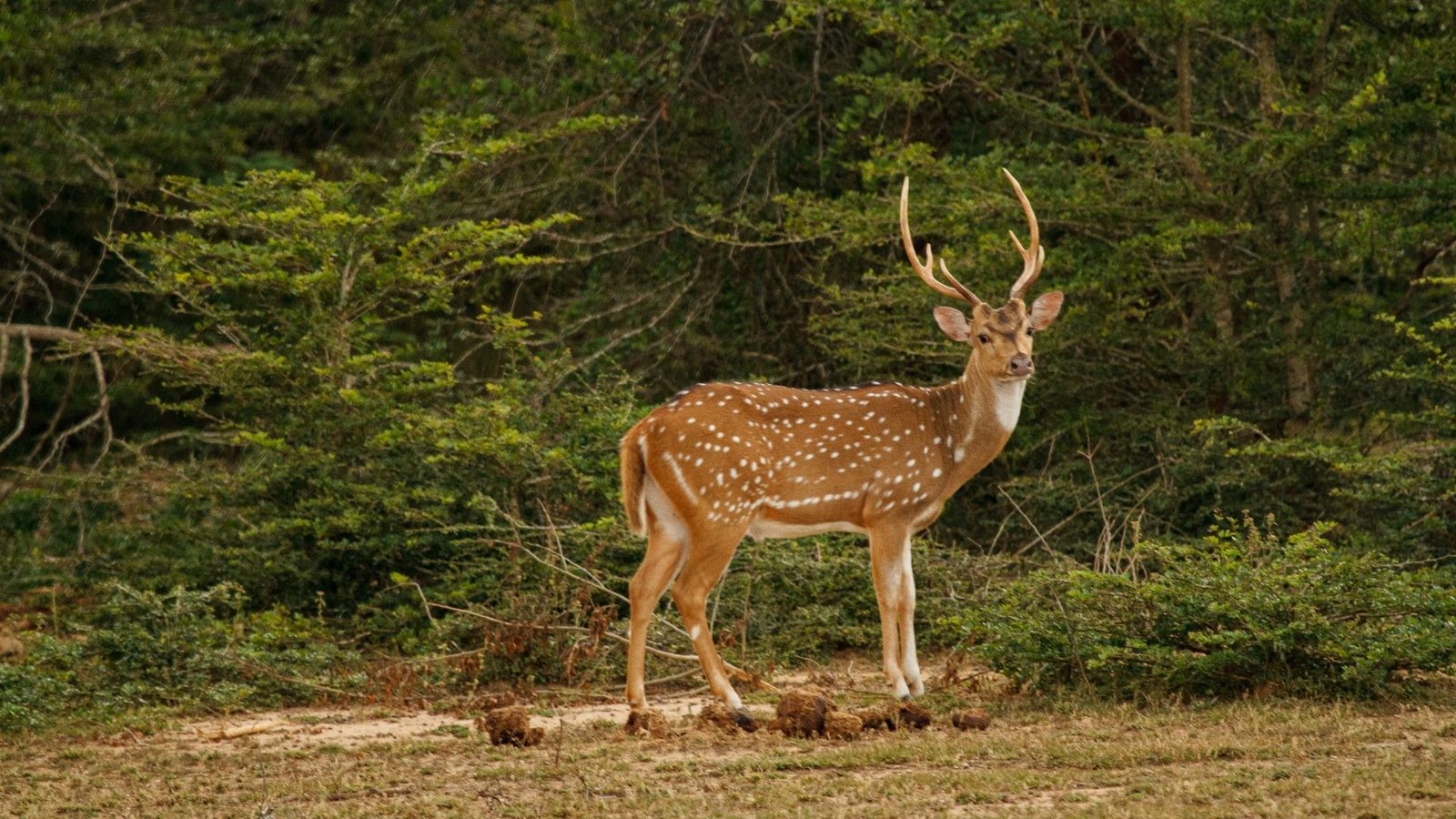
Yala’s Block 1 supports one of the highest recorded densities of leopards (Panthera pardus kotiya) in Asia, aided by a lack of competing tigers or lions and plenty of rocky kopjes where cats rest at dawn and dusk. Between May and July, fruiting palu (ironwood) trees also draw shaggy sloth bears out into the open.
The honest trade-off: Yala’s reputation attracts heavy jeep numbers near the main Palatupana entrance, and sightings near main tracks can draw clusters of vehicles. Entering right at 6:00 AM gate opening, booking full-day or afternoon drives away from peak loops, or exploring Yala Block 5 and neighboring Lunugamvehera National Park yields a much calmer experience. Always check autumn closure dates before planning a September or October trip, when Block 1 usually shuts for annual drought recovery.

2. Wilpattu National Park: Quiet Forest & Natural Villus
Stretching over 1,300 square kilometers near Anuradhapura in the northwest, Wilpattu is Sri Lanka’s largest and oldest national park. Its name means “Land of Lakes,” referring to dozens of shallow, white-sand rainwater basins (villus) scattered through tall forest canopy.
Who it suits best: Patient nature lovers and photographers who value quiet forest atmosphere over rapid sightings. Because the tree cover is thicker than in Yala or Udawalawe, wildlife takes sharper tracking—guides listen closely for the sharp alarm barks of spotted deer and Hanuman langurs to locate leopards moving toward waterholes—and you can often drive for half an hour without passing another jeep.
3. Udawalawe National Park: Open Sightlines for Wild Elephants
Sitting conveniently between Ella’s hills and the south coast, Udawalawe centers on a vast reservoir framed by open savannah-like grasslands and dead-tree shallows. Around 500 to 700 wild elephants live within the park ecosystem, and because there is little tall forest to hide them, encountering small maternal family herds, calves, and solitary bulls is very common throughout the year—even if wild nature means no single drive comes with a cast-iron promise.
Good to know: If your goal is witnessing single seasonal gatherings of 150+ elephants on one lake bed, look north to Minneriya and Kaudulla National Parks during the August–September dry season rather than Udawalawe, where elephants typically roam in smaller family groups of 5 to 25.
Responsible Safari Standards
Good field ethics protect stressed animals and produce far better wildlife behavior for photography. On every safari we arrange, we work with experienced 4×4 drivers who follow clear park conduct:
- Keeping respectful distance (at least 20 meters from wild elephants) and never blocking an animal’s path across a track or toward water.
- Switching off diesel engines during stationary sightings rather than revving to reposition.
- Refusing to crowd distressed animals or chase radio-called jeep pileups at high speed.
Want to combine Wilpattu, Minneriya, Horton Plains, Sinharaja Rainforest, and Yala in one trip? Explore our dedicated 14-day Ceylon Wildlife Tour.