

International travelers researching their first visit often ask a direct question: Is Sri Lanka safe to travel right now? For the vast majority of visitors, day-to-day travel across Sri Lanka is calm, welcoming, and straightforward—fuel, power, card payments, and domestic transport run normally, and locals greeted with a smile and a simple “Ayubowan” or “Vanakkam” routinely go out of their way to help guests.
At the same time, no honest safety guide should pretend any country is completely risk-free. Knowing the real-world issues travelers actually run into—mostly small street touts, road traffic, sun and mosquito exposure, and strong ocean currents—lets you side-step problems easily. Always check your home government’s latest official travel advisory and carry comprehensive travel insurance before departure.
Violent Crime vs. Everyday Touts & Overcharging
Violent crime involving foreign tourists in Sri Lanka is rare. The issues visitors encounter in busy hubs like Colombo Fort, Kandy, Sigiriya, or coastal towns are almost always low-level commercial nuisances rather than physical threats:
- Unmetered Three-Wheelers: Street tuk-tuks parked directly outside major hotels or train stations often quote inflated tourist fares. In Colombo, Negombo, Kandy, and Galle, ride-hailing apps such as PickMe or Uber show upfront metered fares in LKR—or simply agree on the price before climbing in.
- Unofficial “Special Festival” or Spice/Gem Touts: If a stranger near a temple or market claims a site is closed or offers a “free” detour to a cousin’s spice garden or government gem auction, decline politely and keep walking.
- Unofficial Site Helpers: Around rock climbs and ruins, freelance guides sometimes start walking beside visitors uninvited and ask for a steep fee at the end. Agree clearly on credentials and rates at the official ticket counter if you want a site guide.

Advice for Solo & Female Travelers
Thousands of solo travelers and women explore Sri Lanka comfortably every year, and traveling with a vetted SLTDA-registered chauffeur-guide adds an extra layer of practical support between towns. Sensible everyday habits go a long way:
- Dress Modestly Away from Beach Towns: Swimwear and shorts are normal on tourist beaches in Weligama, Mirissa, or Unawatuna, while covering shoulders and knees in rural villages, buses, and temples shows cultural respect and reduces unwanted staring.
- Avoid Unlit Beaches Late at Night: Stick to well-lit beachfront restaurants after dark rather than walking isolated stretches of sand alone late in the evening.
- Wildlife & Street Dogs: Keep snacks zipped inside your daypack around temple monkeys (toque macaques and langurs will snatch loose food bags), and give sleeping street dogs plenty of space.
Ocean Currents & Road Safety (The Real Priorities)
Statistically, the two biggest physical hazards for visitors in Sri Lanka are road traffic and ocean rip currents—not crime:
- Respect Indian Ocean Swells: Many open Sri Lankan beaches shelves drop steeply and carry strong undertows, especially outside peak dry-season months. Swim only at beaches marked safe for swimming—such as reef-protected bays at Unawatuna, Dalawella lagoon, or Pasikudah in season—and heed local red flags and lifeguards.
- Skip Self-Driving Cars or Mopeds in Heavy Traffic: Narrow highways shared by express buses, lorries, three-wheelers, and pedestrians take local familiarity to read safely.
Healthcare, Mosquitoes & Food Hygiene
Colombo and Kandy have well-equipped private hospitals—including Lanka Hospitals, Nawaloka Hospital, and Asiri Central—with 24-hour emergency departments and English-speaking physicians, while rural districts rely on smaller government clinics. Pack insect repellent (especially at dawn and dusk in low-country regions to guard against mosquito-borne dengue) and basic rehydration salts.
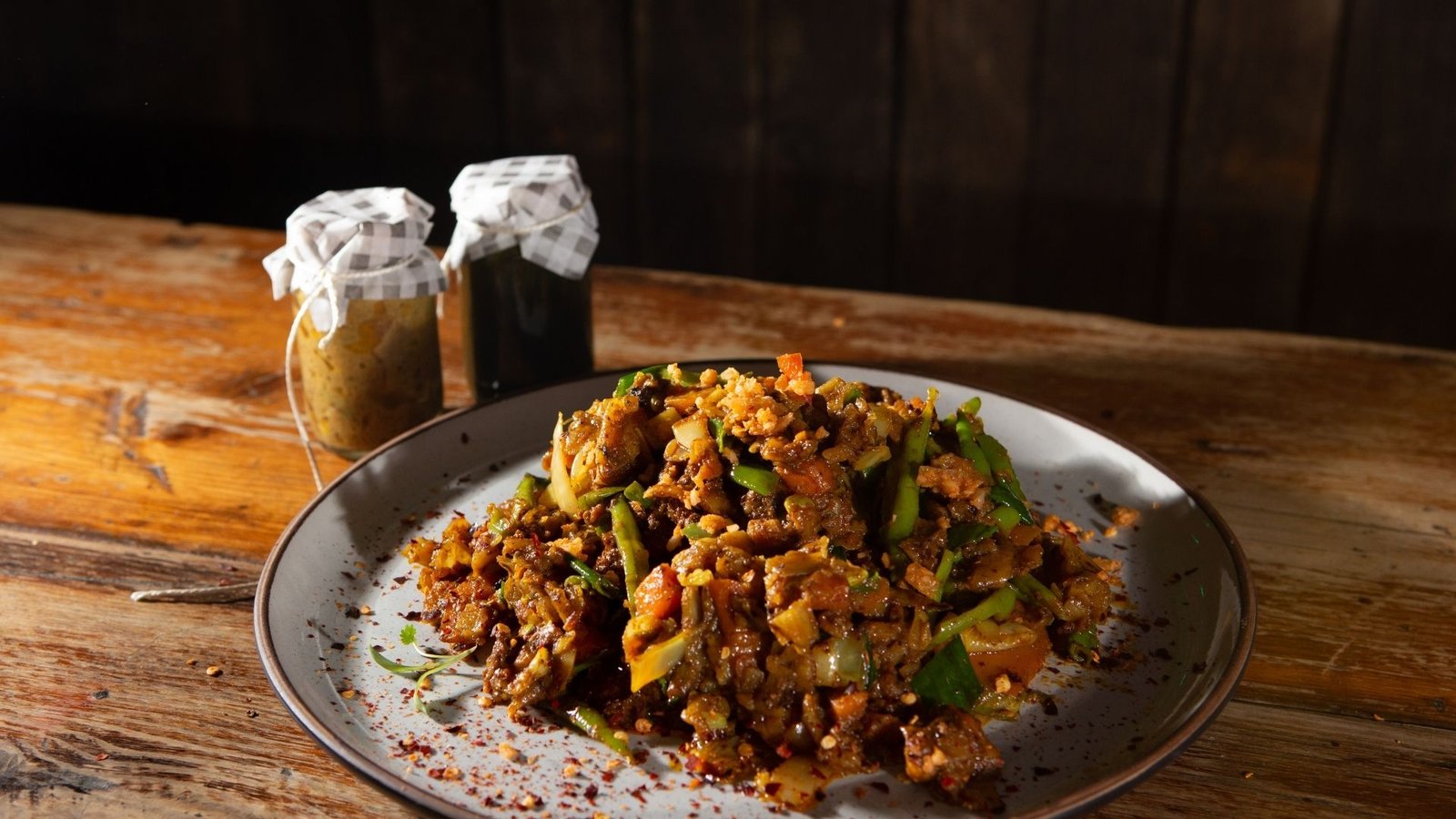
Sri Lankan curries, hoppers, and freshly griddled kottu roti are cooked thoroughly at high heat with coconut milk and spices, making local meals one of the best parts of visiting. Follow three simple habits: drink bottled, boiled, or filtered water rather than tap water; eat at busy spots with high turnover; and choose freshly peeled tropical fruit such as king coconuts, bananas, mangoes, and papayas.
Key Emergency Numbers in Sri Lanka
| Emergency Service | Phone Number |
|---|---|
| Sri Lanka Tourism Police / Helpline | 1912 |
| National Police Emergency | 119 |
| Suwa Seriya Free 24/7 Ambulance Service | 1990 (Island-wide emergency ambulance network) |
When you travel with Saji Tours and Holidays, our Colombo operations team remains reachable 24/7 via phone and WhatsApp throughout your trip. Have specific safety or routing questions? Get in touch through our Trip Planner or Contact Us page.