
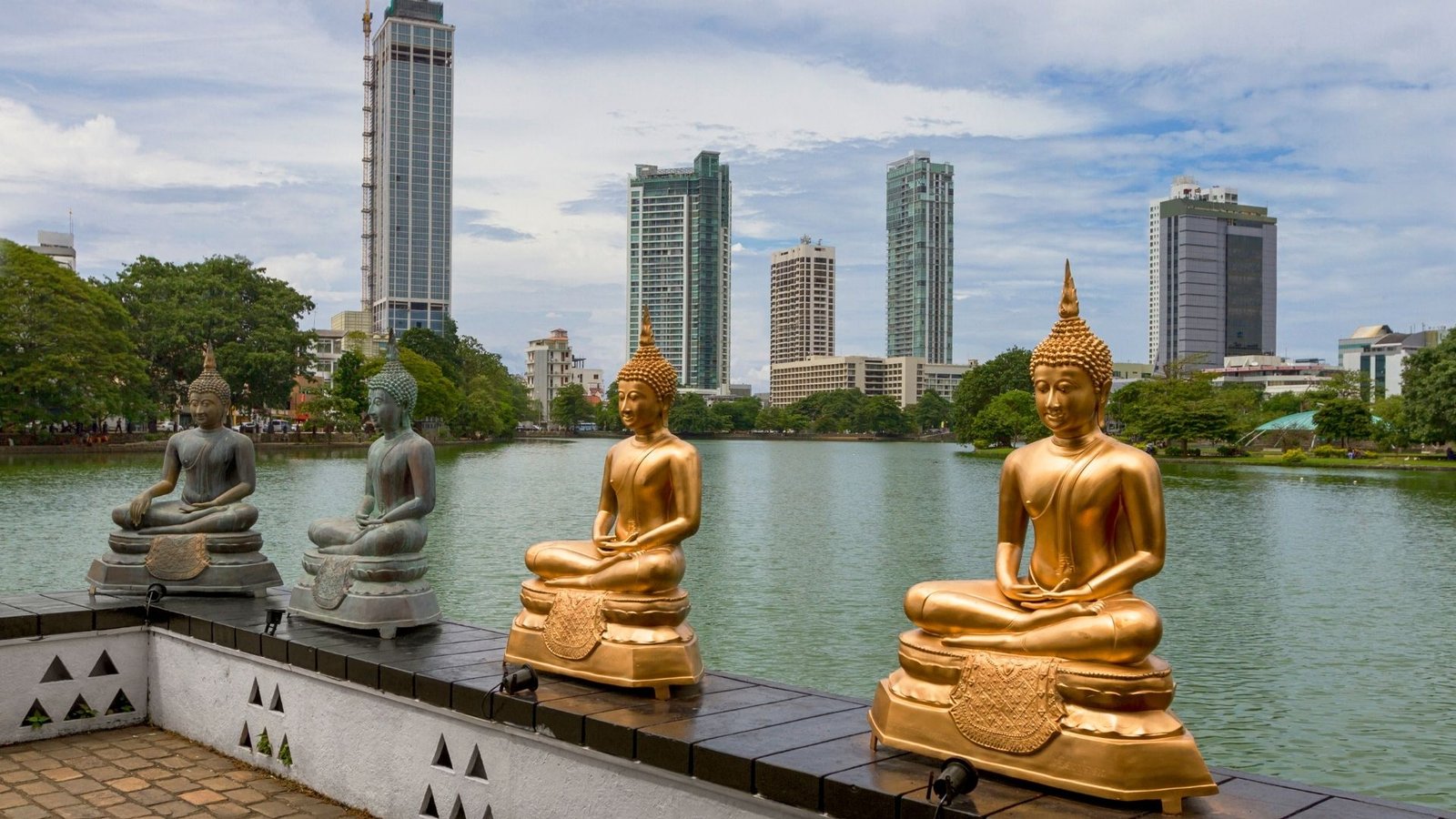
This practical Sri Lanka travel guide covers the essential logistics worth sorting out before you fly—entry visas, managing Sri Lankan Rupees, power sockets, airport SIM cards, and local temple customs—so your arrival in Colombo goes smoothly from day one.
1. Entry Visas & Electronic Travel Authorization (ETA)
Most international visitors must obtain an Electronic Travel Authorization (ETA) online before boarding a flight to Sri Lanka. Applications should be submitted directly through the official Sri Lankan government portal at eta.gov.lk.
- Passport Validity: Your passport must be valid for at least six months beyond your arrival date, and airlines may ask to see a confirmed return or onward ticket plus proof of accommodation or sufficient travel funds.
- 30-Day Tourist ETA & Fees: Standard tourist ETAs grant 30 days on arrival (with double entry) and can be extended online or in Colombo through the Department of Immigration and Emigration. Passport holders from roughly 40 eligible countries currently qualify for a fee-waived tourist ETA—though submitting the online application in advance is still mandatory—while standard online fees are US $50 for most other nationalities (US $20 for SAARC nationals; free for children under 12). Always check current nationality eligibility on
eta.gov.lkshortly before travel, as waiver policies are periodically updated. - Avoid Unofficial Copycat Portals: Apply only via
eta.gov.lk. Third-party lookalike websites routinely add hefty service markups on top of government rates.
2. Managing Currency: Sri Lankan Rupees (LKR)
The national currency is the Sri Lankan Rupee (LKR). Because LKR is a closed currency with limited availability abroad, the best exchange rates are found after landing at Bandaranaike International Airport (CMB) or at bank ATMs in town.
- Bank ATMs: Commercial Bank, Sampath Bank, and Hatton National Bank (HNB) ATMs accept international Visa and Mastercard debit and credit cards across major towns. Notify your bank of your travel dates before departure, and always choose “Continue without conversion” on the ATM screen so your home bank handles the exchange rate.
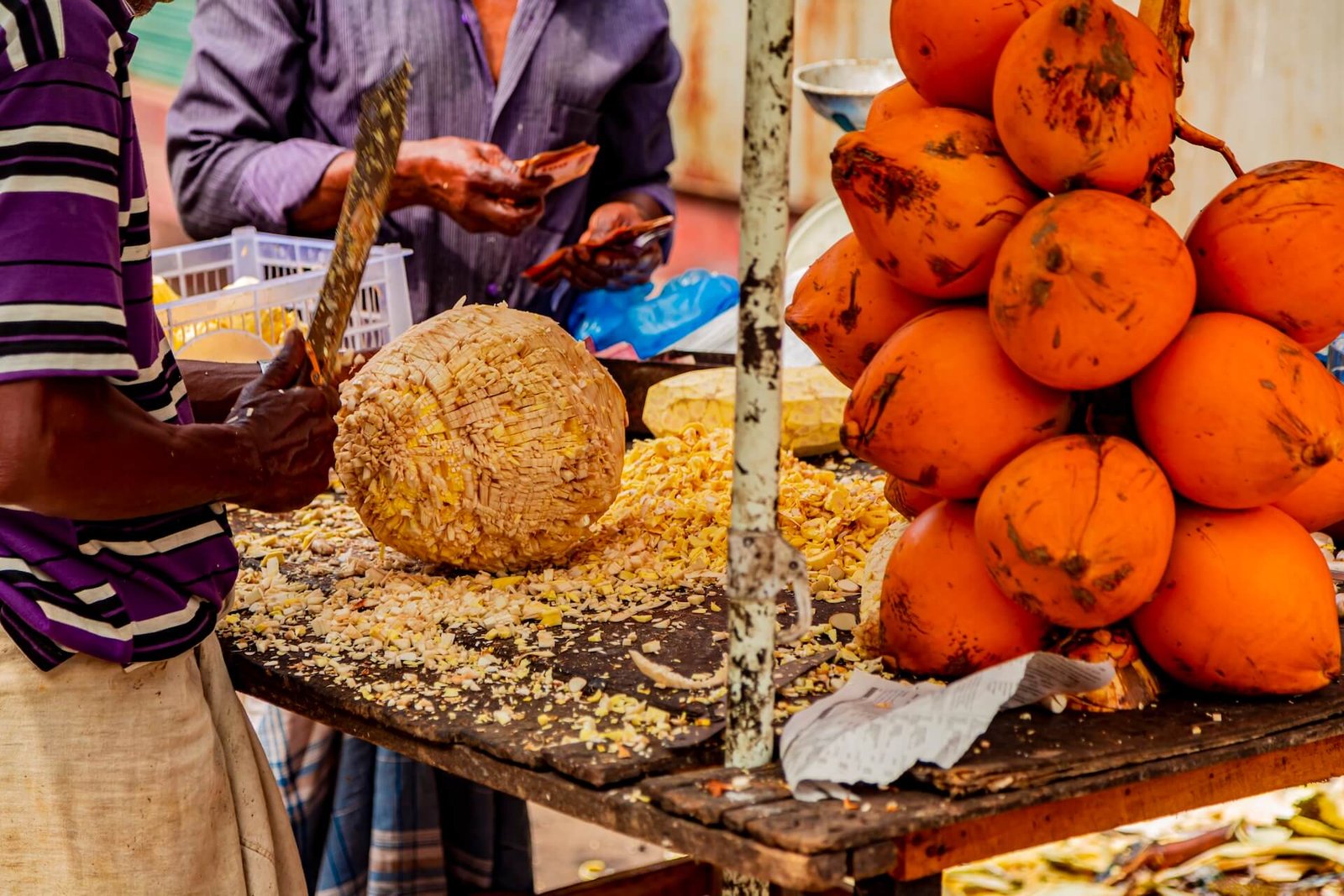
- Cards vs. Cash: Hotels, mid-to-upscale restaurants, gemstone merchants, and supermarkets in Colombo, Kandy, Galle, and Ella accept Visa and Mastercard. Small-denomination notes (100, 500, and 1,000 LKR) remain essential for fruit stalls, three-wheelers, temple shoe attendants, and tipping.
3. Electrical Plugs & Voltage
Sri Lanka operates on 230V / 50Hz electricity and uses two main wall socket styles: Type G (the rectangular three-pin British standard) and Type D (three round pins in a triangle, common in older buildings and hill-country bungalows). Many renovated hotels install universal wall outlets, though packing one compact universal travel adapter with surge protection keeps cameras and phones charged everywhere.
4. Mobile Data, SIM Cards & eSIMs
Right inside the arrivals hall at Colombo Airport—open 24 hours for overnight flights—you will find official counters for Sri Lanka’s two widest-coverage mobile networks, Dialog and SLT-Mobitel. A 30-day tourist SIM or eSIM with 20GB to 50GB of 4G/5G data typically costs 1,500 to 3,500 LKR (roughly US $5 to $12), and staff will register and activate your phone on the spot using your passport. Dialog generally holds the strongest signal across remote hill-country valleys and national park borders.
5. Temple Customs & Everyday Etiquette
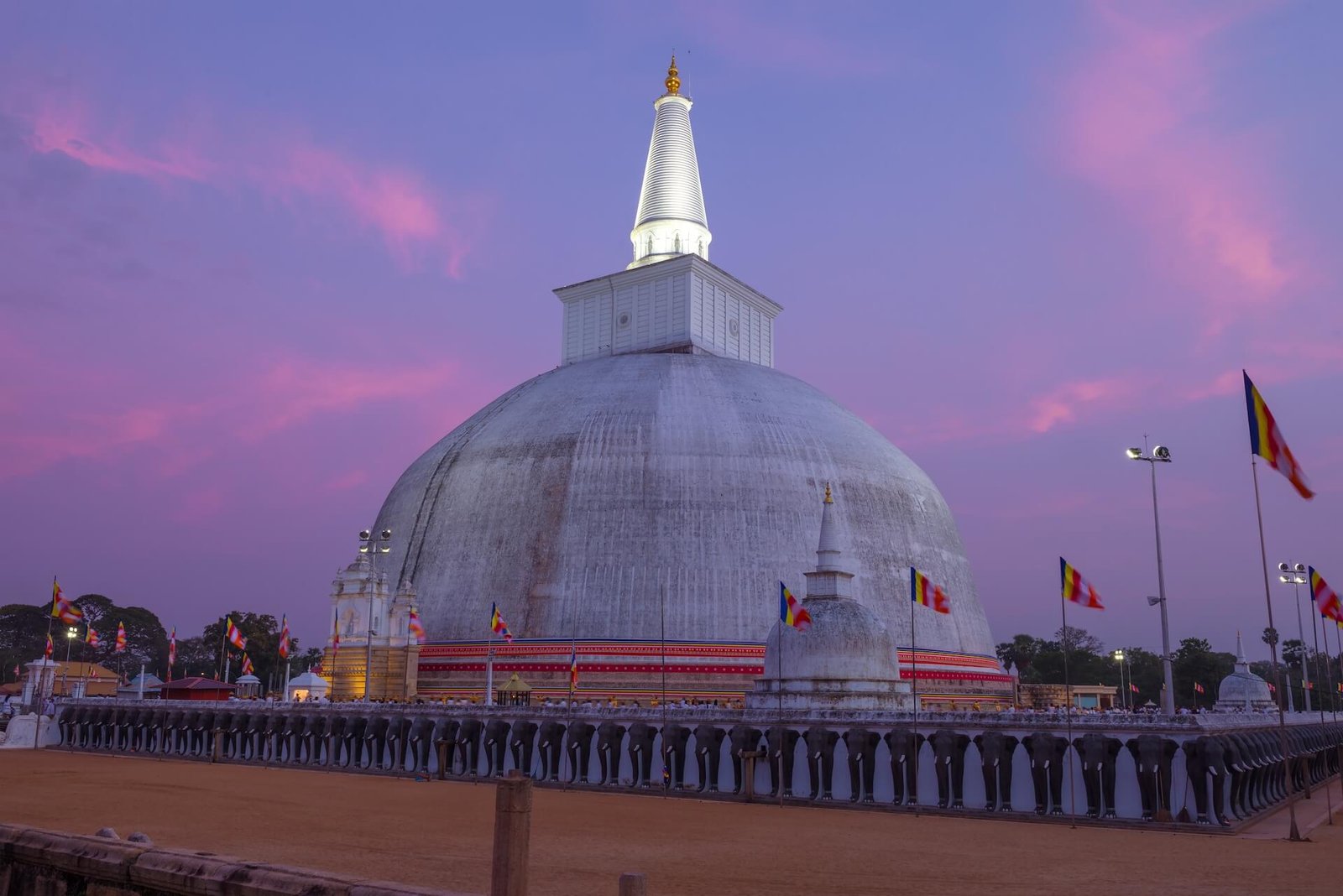
- Cover Shoulders and Knees: Both men and women must cover shoulders and knees before entering Buddhist temples, dagobas, or Hindu kovils. Remove shoes, socks, and hats at the designated shoe rack; carrying a spare pair of thin cotton socks helps when stone courtyards heat up under the midday sun.
- Respect Sacred Imagery: Never pose with your back turned toward a Buddha statue for a photograph, and avoid touching monastic robes or climbing onto temple walls. Stand slightly angled to the side when taking photos.
Ready to start piecing together your route? Browse our private Sri Lanka tour itineraries or reach out to our local team on the Contact Us page with any pre-trip questions.