
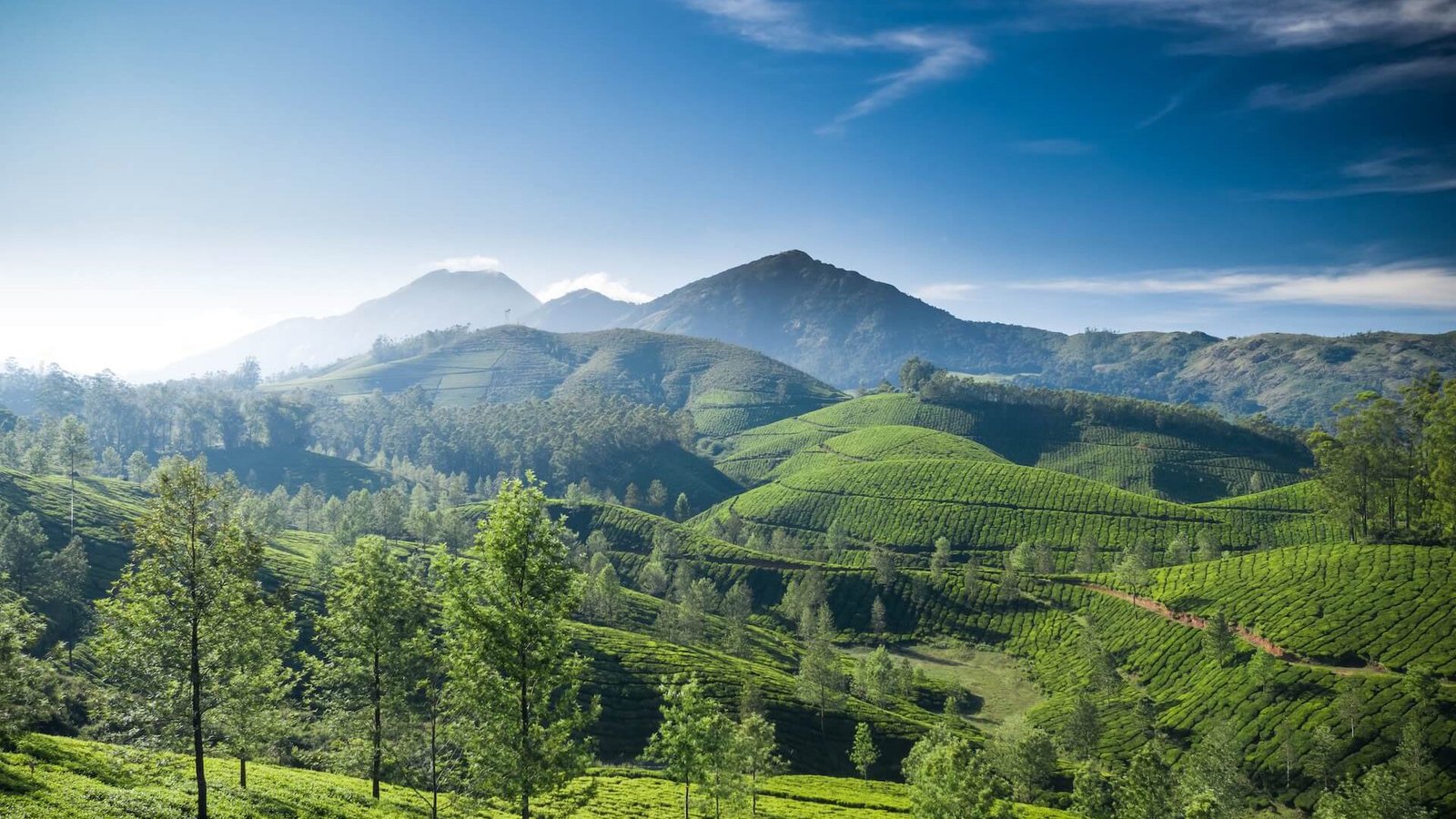
Driving up into Ceylon tea country brings an immediate shift in climate and pace. Within three hours of leaving the warm lowlands, coconut palms give way to eucalyptus ridges, terraced hillsides of clipped Camellia sinensis bushes, cascading mountain streams, and timber-and-granite estate bungalows built in the late nineteenth century.
From Hatton and Nuwara Eliya across to Haputale and Ella, Sri Lanka’s central highlands remain one of the most rewarding regions on the island for slow travel, estate walks, and cool mountain evenings. Here is how to plan your time in the hills.
How Coffee Blight Created Ceylon Tea
Until the late 1860s, coffee—not tea—dominated Sri Lanka’s mountain slopes. When a fungal leaf disease (Hemileia vastatrix) swept through the island and bankrupted coffee estates, Scottish planter James Taylor cleared 19 acres for commercial tea cultivation at Loolecondera Estate near Deltota (southeast of Kandy) in 1867.
High elevation, mineral-rich soils, and alternating spells of sunshine and mountain mist proved ideal for brisk, aromatic black teas. Today, Sri Lanka grades its highland harvests by elevation—with High Grown teas harvested above 1,200 meters prized for delicate floral notes in Nuwara Eliya and richer amber character around Dimbula and Uva.
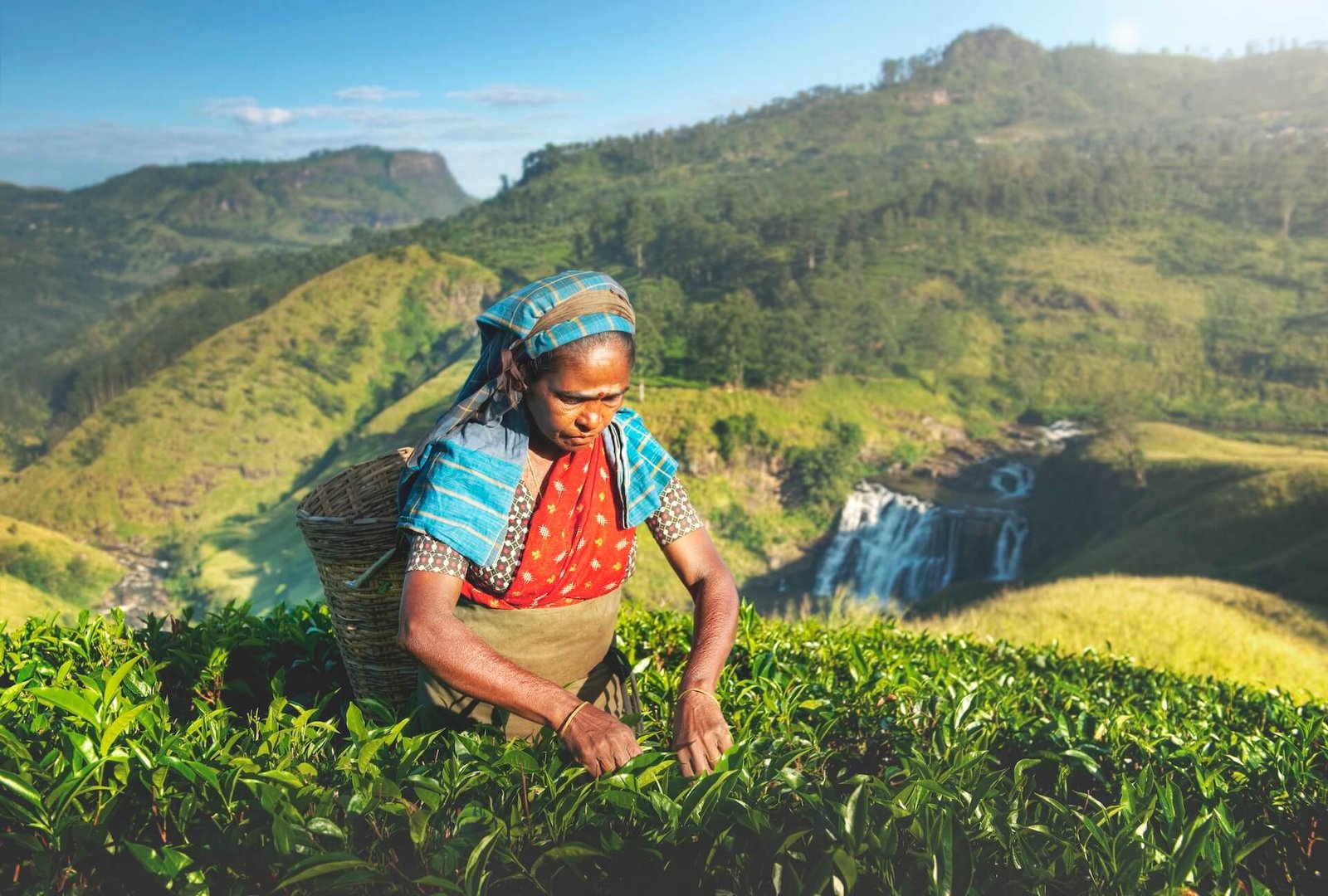
Inside an Orthodox Tea Factory: From Leaf to Cup
Visiting a working tea factory around Nuwara Eliya, Hatton, or Bandarawela lets you follow the traditional orthodox manufacturing method that has changed remarkably little over the past century:
- Withering: Freshly plucked leaves are spread across long ventilated troughs for 14 to 18 hours until roughly half their moisture evaporates and the leaf becomes supple.
- Rolling: Brass and cast-iron rollers gently twist and rupture the leaf cells, releasing natural enzymes onto the surface without shredding the leaf into powder.
- Oxidation: Twisted leaves rest on cool tiled tables in humid air, shifting color from olive green to coppery bronze as flavor compounds develop. (Skip oxidation and steam or pan-heat early, and the same bush yields green tea.)
- Firing: Hot-air dryers halt oxidation at the exact moment the tea maker chooses, locking in aroma and reducing moisture below three percent.
- Sifting & Tasting: Mesh sifters sort whole-leaf Orange Pekoe (OP) from quicker-brewing Broken Orange Pekoe (BOP) and Pekoe grades before you sample single-origin cups in the tasting room.
Highland Weather & What to Pack
Elevation shapes temperatures far more than calendar month here. Around Nuwara Eliya (1,868 meters) and Horton Plains, daytime highs sit comfortably between 16°C and 21°C, while clear nights between December and March can drop to 8°C–12°C. Lower down in Ella (1,040 meters), afternoons reach 22°C–26°C with mild evenings.
The clearest mornings for ridge walks generally fall from January through April and again across the eastern Uva slopes (Haputale and Ella) in July and August. Even in dry months, mist and afternoon showers roll across mountain passes quickly—pack a warm fleece, closed-toe walking shoes, and a light rain shell.
Staying in Restored Planter’s Bungalows
Rather than booking a large town hotel, consider spending two or three nights in a former estate superintendent’s bungalow around Castlereagh Reservoir, Dickoya, Kandapola, or Haputale. Many four-to-six-bedroom heritage properties retain original teak floorboards, log fireplaces lit at dusk, wide wraparound verandahs facing the valley, and home-cooked Sri Lankan curries and afternoon tea served on the lawn.

Walking Stages of the Pekoe Trail
Opened across 2023, the Pekoe Trail links 300 kilometers of existing estate tracks, forest corridors, and rural footpaths into 22 day-walk stages stretching from Hanthana near Kandy to Pedro Estate outside Nuwara Eliya via Hatton, Haputale, and Ella. You do not need to hike the full distance: half-day segments of 8 to 13 kilometers—such as Lipton’s Seat toward Haputale or the trail between Demodara and Ella—pair easily with a private car waiting at the trailhead.
Experience factory tastings, highland walks, and the mountain railway on our 7-day Ceylon Tea Trails itinerary, or pair Kandy and Nuwara Eliya on our 5-day Ceylon Hill Country Tour.