
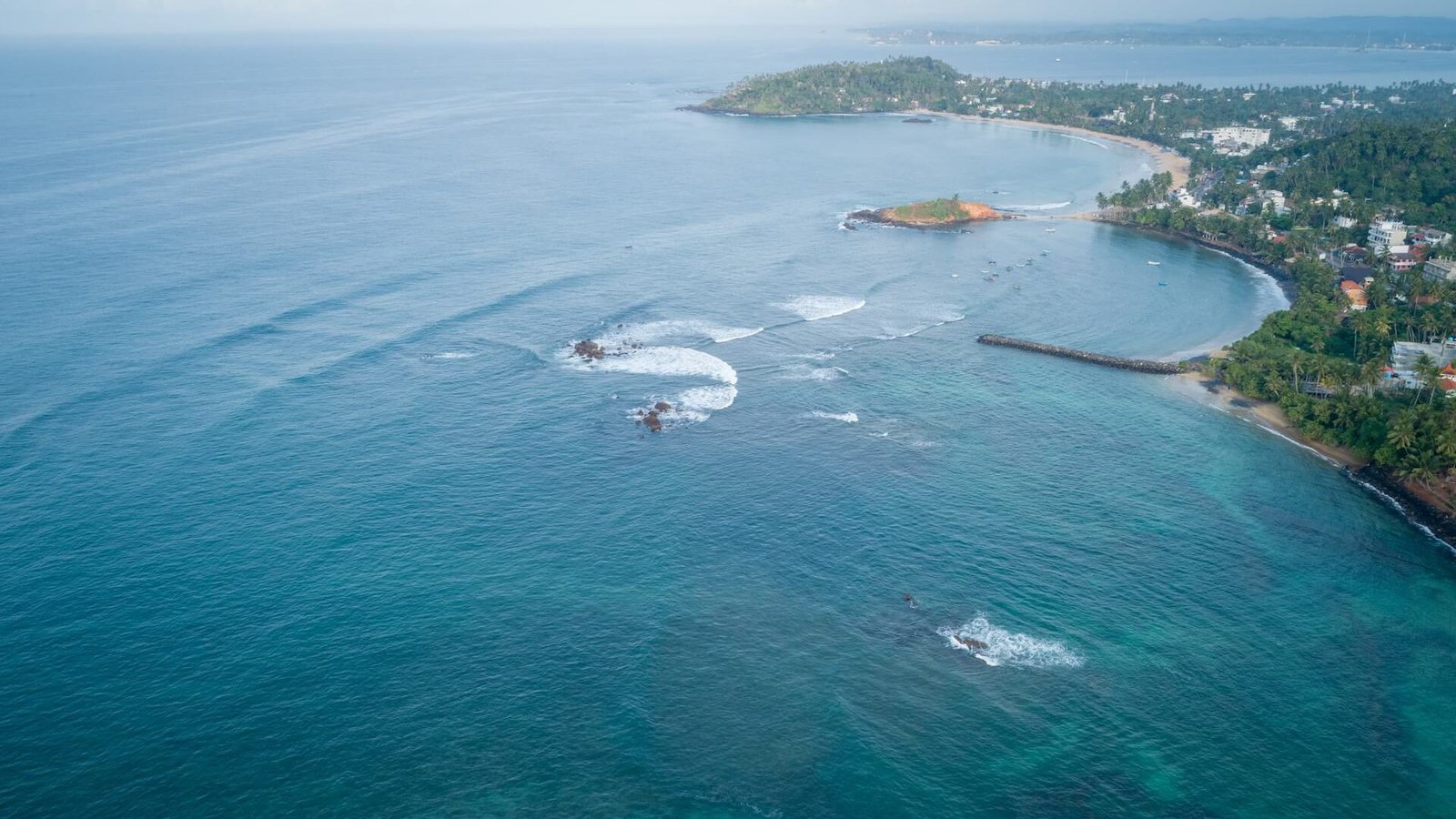
Working out the best time to visit Sri Lanka starts with one geographic quirk: the island has two separate monsoon seasons affecting opposite coasts at different times of the year. When heavy surf and rain hit the southwest beaches around Galle and Bentota in July, the east-coast bays of Trincomalee and Pasikudah typically enjoy their driest, calmest months.
Because the central mountain range acts as a natural weather divide, Sri Lanka works well as a year-round destination—provided you match your coastal stops to the season rather than relying on a single nationwide forecast.
How Sri Lanka’s Two Monsoons Work
As an equatorial island, Sri Lanka stays warm in the lowlands all year (roughly 28°C–33°C), so seasonal planning revolves around rainfall and sea conditions rather than summer and winter:
- Southwest Monsoon (Yala — May to September): Brings wind, rougher surf, and periodic rain to the west coast, south coast, and western slopes of the hill country (Hatton and Nuwara Eliya). During this same window, the north, Cultural Triangle, and east coast remain largely dry.
- Northeast Monsoon (Maha — November to February): Shifts rain toward the east coast, northern plains, and ancient cities mainly between mid-November and January, while the south and west coasts enter their sunniest, calmest swimming season from December onward.
- Inter-Monsoon Months (March–April & October–early November): March and early April are warm and mostly dry across almost the entire island, making spring one of the few times both coastlines are accessible. October and early November are transitional weeks when humid days can end with sharp afternoon downpours anywhere on the island, though hotel availability is higher and national parks are quieter.
Regional Weather Windows at a Glance
Keep in mind that tropical weather is never completely predictable—brief passing showers can occur in any month—but long-term averages give clear planning windows for each region:
| Region & Key Stops | Favorable Dry Months | Typical Daytime Temps | Seasonal Conditions |
|---|---|---|---|
| South & West Coasts Bentota, Galle, Weligama, Mirissa, Tangalle | December to April | 29°C – 32°C | Bright mornings, calmer reef-sheltered bays for swimming, and seasonal offshore whale-watching boats from Mirissa. |
| Cultural Triangle Anuradhapura, Dambulla, Sigiriya, Polonnaruwa | January to September | 30°C – 34°C | Warm dry-zone interior; start temple walks and rock climbs at 6:30 AM before midday heat builds. |
| Central Highlands Kandy, Nuwara Eliya, Hatton, Ella | January to April (all hills) & July–August (Ella/Uva) | 15°C – 24°C | Crisp mornings and cool nights; mountain mist or afternoon showers remain possible year-round. |
| East Coast Trincomalee, Nilaveli, Pasikudah, Arugam Bay | May to September | 30°C – 34°C | Calm shallow bays for swimming around Pasikudah and Trincomalee; consistent surf swells further south at Arugam Bay. |

Matching Your Route to Your Travel Months
If you are traveling between December and April, the classic southwest loop—linking the Cultural Triangle, Kandy, the tea hills, Yala or Udawalawe, and the southern coast—gives you dry mornings inland and calm beach days at the end of your trip. You can see how this route flows on our 14-day Ceylon Cultural Tour or our shorter 5-day Ceylon Beach Holidays.
If your trip falls between June and early September, shift your beach days to the east coast around Trincomalee or Pasikudah, pair them with Sigiriya and Polonnaruwa, and schedule afternoon safaris in Minneriya or Kaudulla where dry-season water levels draw wild elephants to the reservoir edges.
Practical Packing for Three Climates in One Trip
- Light Natural Fabrics: Loose linen or cotton shirts keep you comfortable in humid coastal towns and dry-zone archaeological parks.
- One Warm Evening Layer: Pack a sweater or light fleece for Nuwara Eliya and Hatton, where highland evenings regularly dip into the low teens Celsius.
- Compact Umbrella or Rain Jacket: Useful for sudden tropical showers and doubling as shade during midday heritage walks.
Have fixed travel dates in mind? Share your month and interests through our Trip Planner and our local team will suggest a route matched to the right coast.